
PP, PVC and PE Plastic Sheets Explained
Engineering plastic sheets and insulation plastic sheets are the quiet workhorses of modern manufacturing. Among them, PP sheets, PVC sheets, and PE sheets are the most commonly requested materials because each offers a distinct balance of mechanical strength, chemical resistance, cost, and processing ease. Choosing the right one for your application comes down to understanding how these materials behave under heat, chemicals, and physical load.
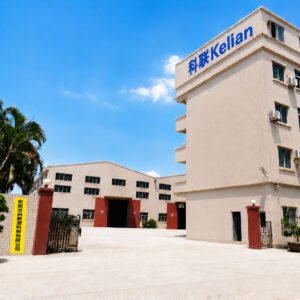
At Dongguan Kelian Plastic Board Co., Ltd., we have manufactured, processed, and supplied these materials since 2011. In this guide we break down the properties, differences, and typical applications of PP, PVC, and PE sheets so you can make a confident material decision.
What Are Engineering Plastic Sheets?
Engineering plastics are a group of plastic materials that offer better mechanical and thermal properties than commodity plastics. They are selected when a product must hold its dimensions, resist chemicals, or survive repeated stress. An engineering plastic sheet is simply the semi-finished board form that manufacturers process into components by cutting, bending, drilling, or CNC carving.
Insulation plastic sheets, meanwhile, are chosen for their electrical and thermal properties. They help isolate components from heat and current while still providing a rigid, workable substrate. Many insulation plastic boards are based on the same PP, PVC, or PE resin families, which is why the names often appear together.
PP Sheet (Polypropylene Sheets)
Polypropylene is a lightweight, semi-crystalline thermoplastic with outstanding resistance to most chemicals. PP sheets are among the most widely used engineering plastics because of their low density, good fatigue resistance, and excellent weldability.
Key Properties of PP Sheets
- Low density, which keeps transport and assembly weight down.
- Excellent chemical resistance to acids, alkalis, and solvents.
- Good moisture resistance and low water absorption.
- High fatigue resistance, ideal for living hinges and repeated stress parts.
- Easily welded, cut, bent, drilled, and CNC machined.
Typical Applications
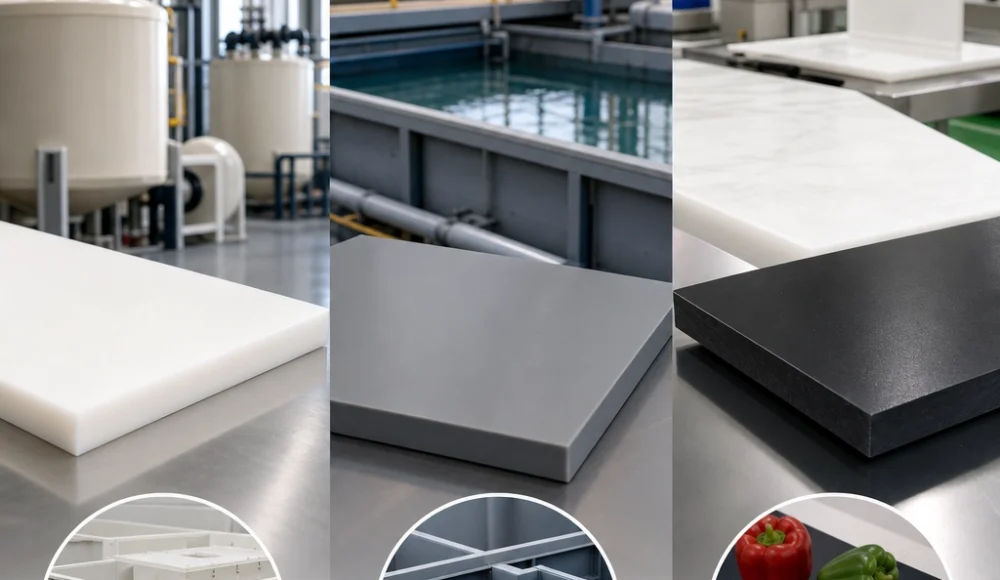
PP sheets are extensively used in eco-friendly projects, chemical storage, tanks, acid-resistant ducting, clean-room partitions, food contact surfaces, and machinery guards. Their combination of low cost and durability makes them a first choice for chemical and environmental industries.
PVC Sheet (Polyvinyl Chloride Sheets)
Polyvinyl chloride is a tough, rigid material widely used for insulation and construction applications. PVC sheets offer high stiffness, good impact strength, and naturally good electrical insulation, which makes them a staple in electrical enclosures and protective covers.
Key Properties of PVC Sheets
- High rigidity and dimensional stability.
- Naturally good electrical insulation.
- Good resistance to weathering and many chemicals.
- Readily cut, routed, bent (with heat), and printed.
- Available in a broad range of colors and textures.
Typical Applications
PVC boards are common in display panels, machine guards, electrical insulation panels, chemical-resistant linings, and signage. Because the surface accepts paint and ink, PVC sheets are also popular for customization with brand colors and labels.
PE Sheet (Polyethylene Sheets)
Polyethylene is the most widely produced plastic in the world, and PE sheets inherit its toughness, low friction, and excellent moisture resistance. High-density and ultra-high molecular weight grades are often used in heavy engineering applications that demand wear resistance and impact strength.
Key Properties of PE Sheets
- Outstanding impact strength, even at low temperatures.
- Very low coefficient of friction and good wear resistance.
- Excellent moisture and water resistance.
- Lightweight and easy to fabricate with standard tools.
- Good electrical insulation properties.
Typical Applications
PE boards are used in machinery wear strips, conveyor liners, dock bumpers, cutting boards, storage tanks, and eco-friendly applications. Their combination of toughness and low friction helps protect machinery and extend service life.
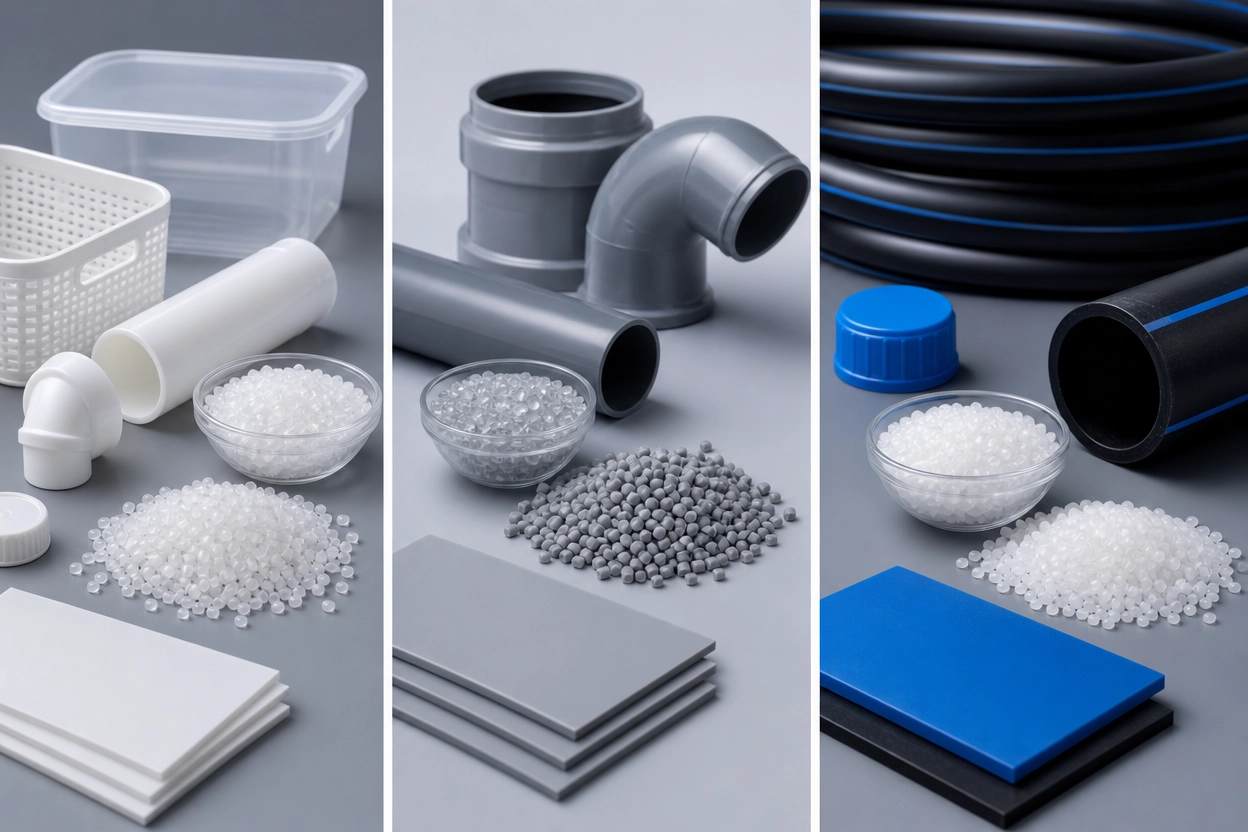
PP vs PVC vs PE: Key Differences at a Glance
| Property | PP Sheet | PVC Sheet | PE Sheet |
|---|---|---|---|
| Weight | Lightest | Heavy | Light |
| Chemical resistance | Excellent | Good | Good |
| Rigidity | Moderate | High | Moderate |
| Impact strength | Good | Moderate | Excellent |
| Insulation | Good | Excellent | Good |
| Typical use | Chemical tanks, ducts | Enclosures, signage | Wear parts, dock liners |
How to Choose the Right Plastic Sheet
1. Consider the Operating Environment
If the board will contact strong acids or solvents, give strong preference to PP sheets. If it will face constant abrasion, PE sheets usually win. If stiffness and electrical insulation matter more than weight, PVC is often the answer.
2. Consider Machining and Assembly
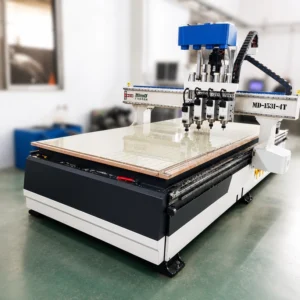
All three materials can be cut, drilled, bent, and CNC carved with the right feeds and speeds. Our factory operates six production lines and processing equipment including crushers, CNC carving machines, and cutting machines to produce, engrave, cut, bend, and drill sheets to your drawings.
3. Consider Temperature Performance
Heat deflection behaviour differs between grades. PP handles warm chemical environments well, PVC softens at lower processing temperatures, and PE remains tough in low-temperature conditions. Always confirm your application temperature against test data before final selection.
Quality Matters: Testing Plastic Sheets
Material quality is directly linked to finished product performance. At Kelian, we hold an SGS product test certificate covering chemical resistance, deflection temperature under load, shore hardness, and tensile tests. These verified results let buyers compare sheets objectively instead of guessing from price alone.
Custom Sizes, Colors, Packaging and Labels
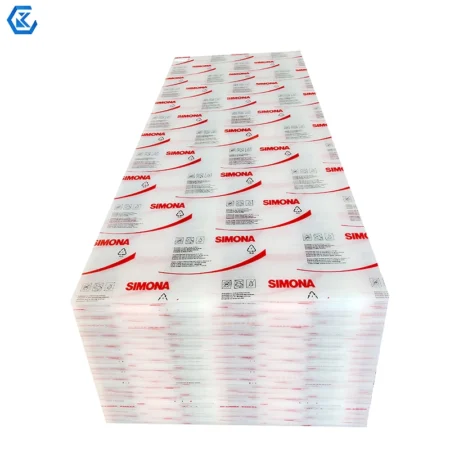
Once you settle on the material, your project often still needs specific dimensions, colors, packaging, or labels. We provide extensive customization options, including packaging, colors, sizes, and labels, so your plastic sheets arrive ready for your production line or retail shelf.
Conclusion
PP sheets, PVC sheets, and PE sheets each have a clear place in engineering and insulation applications. Choose PP for chemical environments, PVC for rigid insulation and display, and PE for impact and wear resistance. When speed and customization matter, partner with a manufacturer who can produce and process all three in-house. Contact Dongguan Kelian Plastic Board Co., Ltd. to discuss your material requirements and receive a practical recommendation from our engineers.